October 02, 2026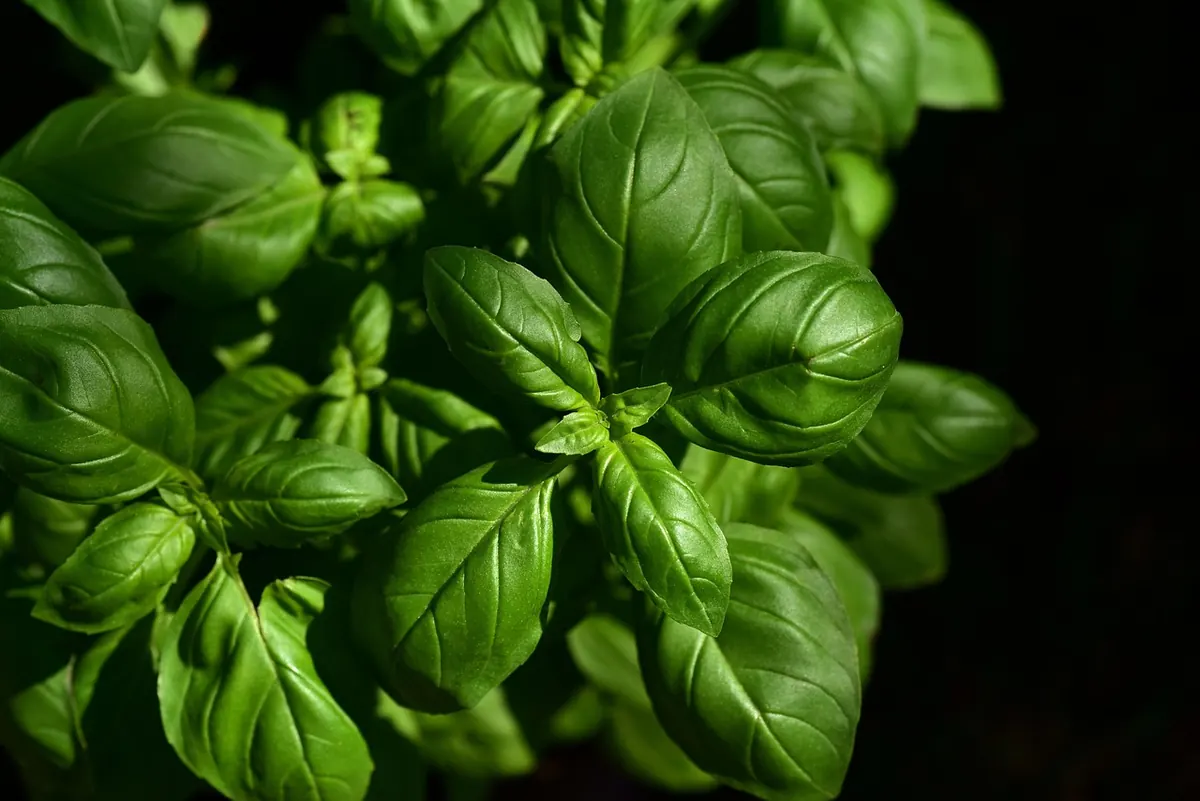
One morning in July your Genovese basil looks perfect. Three days later the lower leaves have gone yellow, the plants look thin, and there's a grey fuzz on the undersides that definitely wasn't there before. That's basil downy mildew, and it's the most common reason UK basil crops collapse in mid-summer. It moves quickly, but it is predictable. Learn the signs, change two or three habits, and you'll lose far fewer plants — and know exactly what to do when it does turn up.
What you're dealing with
The culprit is Peronospora belbahrii, an oomycete. That's a water mould, more closely related to the organism behind potato blight than to the fungi that cause rusts or leaf spots. Two practical things follow from that. It spreads through the air and it thrives in damp, still conditions. And it is specific to basil — it won't move onto your parsley, mint or tomatoes, however tightly they're packed together.
It doesn't lurk in soil for years the way some problems do, but it can survive in infected plant debris and it can be carried on seed. That's why clearing up properly and starting clean matters more than any spray.
Identifying it early
The first sign is usually a yellowing that doesn't look like hunger. Look for these together:
- Angular yellow patches. Pale, butter-yellow areas that stop at the bigger veins, giving them a blocky, geometric edge. Hunger tends to yellow a whole leaf evenly from the outside in.
- Grey-purple fuzz underneath. This is the give-away. Turn a suspect leaf over and you'll see a dusty, dusky bloom on the underside, often opposite the yellow patch on top.
- Leaf drop. Affected leaves fall easily, so plants end up leggy and bare in the middle while the tips still look green.
- Timing. The fuzz develops overnight in humid air, so check in the morning. By mid-afternoon it can be dried out and much harder to see.
What it isn't
Sun scorch gives crisp, papery patches on the top of the leaf with nothing underneath. Nutrient shortage yellows whole leaves without any fuzz. Fusarium wilt collapses the plant and shows brown streaking inside the stem. If you're unsure, hold a leaf up to the light with a plain background behind it — downy mildew is almost always visible as a greyish haze underneath.
How it spreads
Spores travel on air currents, so the infection may not have started in your garden at all. It can blow in from an allotment neighbour, a few streets away, or arrive on a pot of supermarket basil that you brought home. Spores land on a leaf, need moisture on the surface and a stretch of darkness to germinate, then push through the leaf tissue and sporulate again within days.
That cycle explains why still, humid nights are the danger period, and why reducing leaf wetness and improving airflow is the single most useful thing you can do. It also explains why the plants in a crowded supermarket pot get hit first: dozens of seedlings, touching leaves, damp compost, no air.
The prevention routine that actually works
- Water the compost, not the leaves. A morning soak at the base gives the plant all day to dry. Evening watering leaves foliage wet through the night.
- Give every plant room. Thin crowded pots to a few strong seedlings, and space outdoor plants so leaves don't overlap when they're full grown.
- Keep the air moving. Open greenhouse vents wide, and run a small fan on a low setting for windowsill basil. It looks fussy; it works.
- Go for the sunniest spot you have. Leaves dry faster and plants are stockier.
- Feed lightly. Heavy nitrogen feeding gives you soft, sappy growth that disease finds easy. A modest feed every few weeks is plenty.
- Clear debris and bin it. Fallen leaves go in the bin, not the compost heap. Wipe your secateurs and wash trays and pots.
- Start clean. Fresh compost each year, and don't overwinter a suspect plant on the off-chance it recovers.
Varieties worth trying
Standard large-leaved sweet basil — the Genovese types most of us grow for pesto — is the most susceptible. In practice, lemon basil, Thai basil, bush basils and several purple-leaved varieties often hold up better, especially in a wet summer. They won't shrug off a bad infection, but they'll buy you time.
Seed catalogues increasingly flag varieties as downy-mildew resistant. Treat those claims as an improvement rather than a guarantee: resistance varies with conditions and strain, and a resistant plant in still, damp air can still go down. If you save your own seed, don't save it from plants that have shown symptoms.
Salvaging an infected crop
If you catch it early — one or two yellow leaves, on one or two plants — you can often keep going. Pick off affected leaves and put them straight into a bag rather than dropping them on the soil, then move plants further apart, switch to base watering and harvest heavily. Use the good leaves the same day; don't store damp basil in the fridge, where it will rot into a slimy mess.
Once a plant has lost more than half its leaves, bin it. An infected plant left in place is a spore factory for everything around it, and the leaves you're nursing along won't taste good anyway. If your main crop is a write-off, sow a fresh batch in a clean pot and keep it under cover or on a bright windowsill if you can. If you want to keep a favourite plant going, take tip cuttings in early summer while it's still healthy — cuttings taken from a sick plant may carry the problem with them.
Make it a two-minute habit
Once a week, lift a few leaves on each basil plant and look at the undersides, ideally first thing in the morning. That's the whole inspection. If you find fuzz, act the same day: strip, bin, space, water at the base. Downy mildew is a seasonal visitor rather than a permanent resident, so a clean, well-spaced, well-ventilated crop started fresh each year gives you the best odds — and in a bad year, that weekly check is the difference between losing one plant and losing the lot.
Photo: ulleo / Pixabay