October 09, 2026
By late August the basil has usually won. One supermarket pot has turned into a bush, the greenhouse is a wall of green, and there is more of it than any household can reasonably eat in a week of tomato salads. Leaving it to bolt and go bitter feels like a waste, and it is one. Basil holds its sweet, peppery-aniseed punch for only a few hours after picking; every day it sits on a sunny windowsill, it gives a little of that away. Freezing, drying and packing in salt all work, and each produces a genuinely different ingredient rather than a sad imitation of the fresh leaves.
Why Basil Is Awkward to Keep
The volatile oils that give basil its scent are the same thing that makes it difficult to store. Heat drives them off, air oxidises them, and light speeds the whole process up. That is why a jar of dried basil from a shop shelf tastes vaguely of tea and hay, and why a bunch left in a warm kitchen goes black at the edges within a day. Anything you do to preserve basil is really an attempt to slow that loss. The methods below do it in different ways: cold stops the chemistry, dryness removes the water that would otherwise rot the leaves, and salt draws moisture out while pulling flavour into the crystals themselves.
Freezing Basil: The Closest Thing to Fresh
If you only try one method, make it this one. Cold does the least damage to the oils, and frozen basil is close enough to fresh that a winter minestrone will not know the difference.
Whole or chopped leaves, frozen loose
Pick in the morning once the dew has dried. Rinse, then dry the leaves properly — a salad spinner followed by a tea towel works well. Strip them from the stems and discard anything bruised or blackened, because one damaged leaf will taint the bag. Spread the leaves in a single layer on a baking tray lined with baking parchment and freeze for a couple of hours, then tip them into a labelled freezer bag. They stay separate and you can shake out a handful as needed. Use within six to eight months, and add them straight from frozen to sauces at the end of cooking. They will collapse as they thaw, so keep them away from garnishes and salads.
Chopped in oil, frozen as cubes
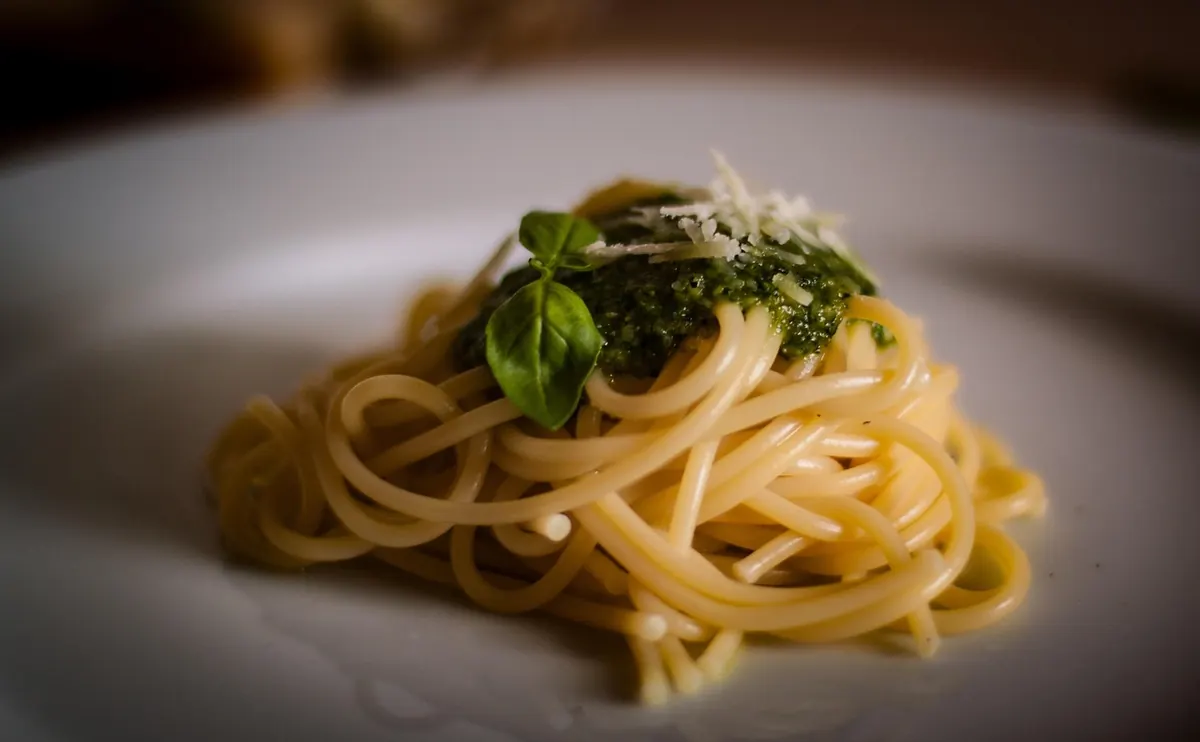
Chop a large handful of leaves, pack them into an ice cube tray and cover with olive oil — roughly two teaspoons per cube. Freeze, then pop the cubes into a bag. Each one is a decent starting point for a pasta sauce or a quick dressing. Blend the basil with the oil first if you want a smoother result.
Blanched and frozen
Drop the leaves into boiling water for ten to fifteen seconds, then straight into iced water, drain and dry. Blanching softens the leaves but holds the green colour better over long storage, which makes it the best option if you want a vivid paste in February. Freeze in small bags, pressed flat.
Drying Basil: A Different Ingredient, Not a Substitute
A British kitchen in autumn is a humid place, and humidity is the enemy of air-dried herbs. Hang a bunch near a radiator and it will more likely go mouldy than crisp. A warm airing cupboard works, and so does an oven on its lowest setting with the door propped open, or a dehydrator if you have one. In a microwave, layer leaves between sheets of kitchen paper and give them short bursts, checking every thirty seconds.
Whatever route you take, the test is the same: a finished leaf should crumble to dust between your fingers with no cool, leathery feel in the middle. Store the leaves whole in an airtight jar out of direct light and crush them as you use them, because crushing releases the oils early. Dried basil keeps its colour and scent for about a year, and it belongs in slow-cooked things — tomato sauces, stews, roasted peppers, a baked aubergine. It is not the herb for a Caprese salad or a batch of pesto.
The Salt Method: Slow Infusion, Big Flavour
This is the oldest trick in the book and the one most people have never tried. Coarse sea salt pulls water out of the leaves, which concentrates their flavour, while the salt itself takes on the scent of basil. You end up with a seasoning that does most of the work for you.
- Layer coarse sea salt and clean, dry basil leaves in a clean jar, starting and finishing with salt. Roughly 100g of salt to a generous handful of leaves is a good starting point.
- Press down firmly with the back of a spoon so the leaves bruise and release their oils.
- Seal and leave in a cool cupboard for a week, shaking daily. The salt will turn green and smell unmistakably of basil.
For a dry, shelf-stable basil salt, spread the mixture on a tray and let it dry out completely before jarring. For a wetter, more intense version, keep it in the fridge and use it within a few weeks. Rub it over lamb, scatter it on roast potatoes, or add it to a chicken before it goes in the oven.
One word of caution: if you mix basil with garlic and oil, keep the jar in the fridge and use it within a few days rather than leaving it on the counter. Garlic in oil at room temperature is a well-known food safety risk, and the freezer is a safer home for anything you want to keep longer.
Which Method Suits Which Job
- Pesto, pasta sauces, soups: frozen leaves, or blanched and frozen for the brightest colour.
- Salad dressings and marinades: oil cubes — the oil is part of the recipe anyway.
- Slow-cooked tomato dishes in winter: dried leaves, crushed as you add them.
- Roasts, grilled vegetables, flatbreads: basil salt.
- Garnish in December: none of them, honestly. Grow a pot on a bright kitchen windowsill instead.
Practical Notes for Small UK Kitchens
Freezer space is the real constraint for most people, so freeze bags flat and stack them like files. Label everything with the method and the month — a green cube of indeterminate age is no use to anyone. Dry leaves thoroughly before freezing, or ice crystals will form and you will end up with mush. If you freeze pesto, leave the Parmesan out and stir it in after defrosting; hard cheese turns grainy in the freezer. And pick before the plant flowers, because once basil bolts, the leaves turn peppery and slightly bitter, and no preserving method brings the sweetness back.
Pick a Method and Clear the Windowsill
You do not need to process the whole plant at once. Take what you cannot eat this week and freeze it, dry a smaller batch for winter stews, and make one jar of basil salt as a gift or a treat for your own kitchen. A plant that keeps producing will give you a second chance in a fortnight, and a third after that. The point is simply not to let good basil go black on the sill while you decide what to do with it.
Photo: u_oy97syi7 / Pixabay