October 05, 2026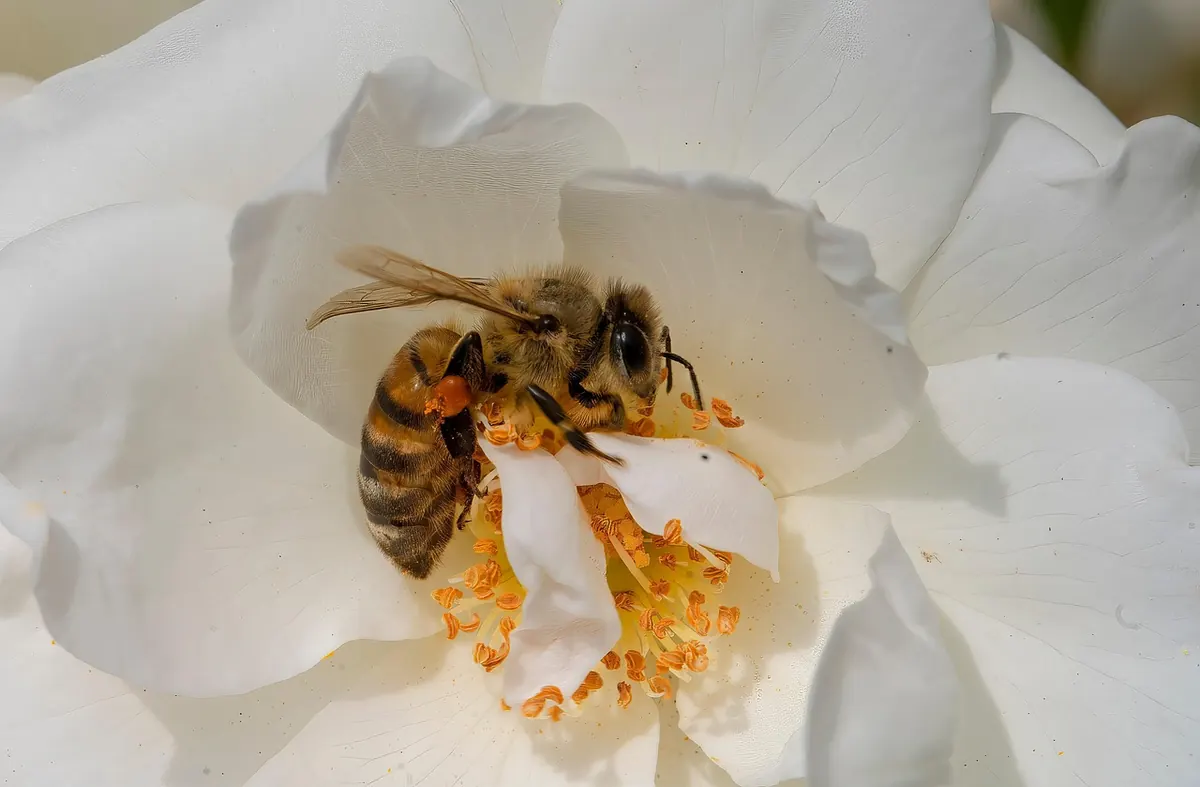
Basil is grown for leaves, which is why most plants never get the chance to flower. You pinch the tips, you harvest, you pinch again — and the plant stays in leaf. Leave one plant alone in a warm corner, though, and by mid-summer it will send up a spike of small white or pink blooms, and that spike will be busy. Bees do visit basil flowers. The more useful question is which bees, when it happens in a British garden, and whether you can have flowers and a decent crop of leaves at the same time.
When Basil Flowers in the UK
Basil is a tender annual from tropical Asia, so it flowers on heat and long days rather than a calendar date. In a greenhouse, polytunnel or on a sunny south-facing windowsill, flower spikes usually appear from late June. Outdoors, in a sheltered bed or a pot against a warm wall, expect them from July into August, and later still if the autumn stays mild. Plants sown indoors in April or May tend to start flowering somewhere around eight to twelve weeks later.
Stress brings it on faster. A plant in a small pot, drying out between waterings on a hot patio, can bolt in a matter of weeks — the leaves shrink, the stems harden and the flower spike appears almost overnight. Well-fed basil in generous compost, kept evenly moist, will hold in leaf much longer. Some varieties also run to flower sooner than others. Purple basils and many sweet basil types bolt early; Thai basil and bush basil often hold on longer in heat.
Which Pollinators Visit Basil Flowers
The flowers themselves are tiny, two-lipped and shallow, held in whorls up a single stem. That shallow tube is the key detail: it makes basil easy for short-tongued insects to reach the nectar, which is not true of every flower in the garden. Purple and lemon basils seem just as attractive as the green ones, and the scent of a flowering basil plant carries well on a warm afternoon.
What you're likely to see
- Honeybees, working steadily up each spike and often returning to the same plant for days.
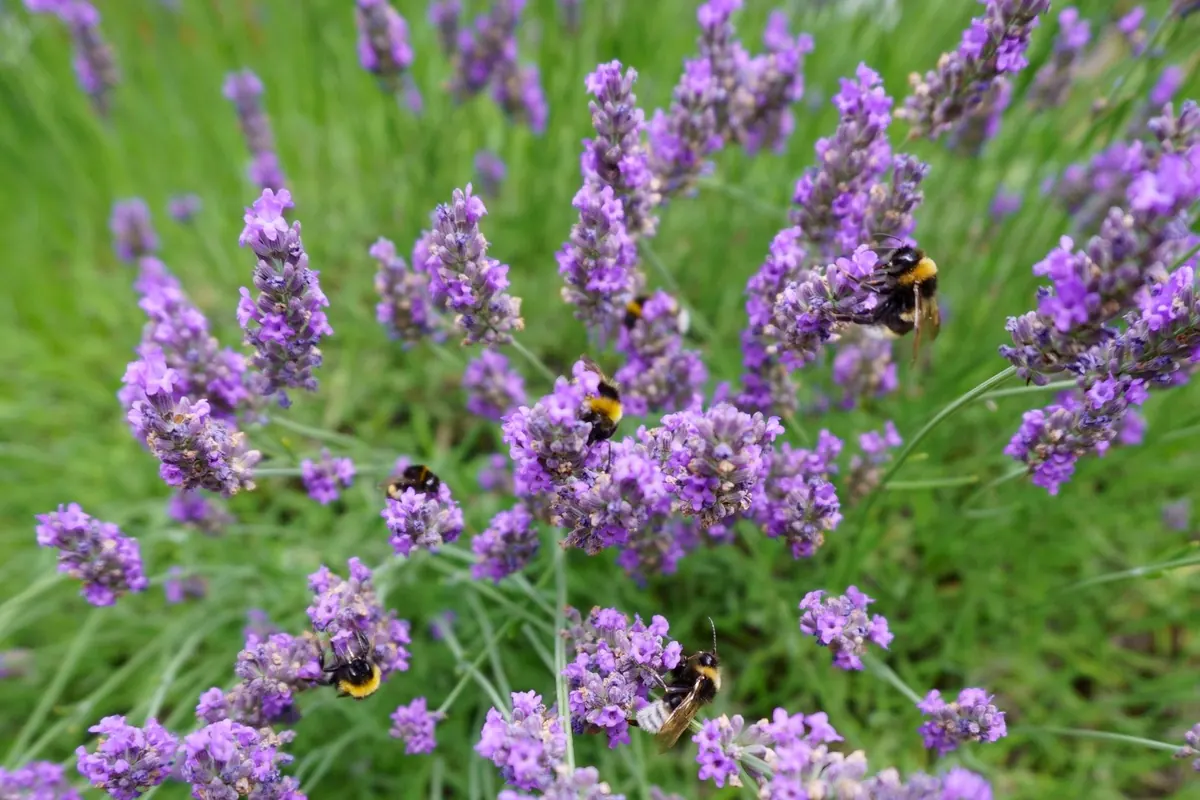
- Bumblebees, including the buff-tailed and white-tailed workers that dominate most UK gardens in late summer.
- Small solitary bees and sweat bees, which are easy to overlook because they are barely bigger than the flower.
- Hoverflies, hovering and then landing to feed — useful aphid predators as well as pollinators.
- Occasional small wasps, bee flies and, at dusk, moths drawn to pale flowers.
Butterflies rarely bother with basil. The flowers are simply too small to offer a decent landing pad. If butterflies are your aim, put the buddleia or the marjoram elsewhere and treat basil as a bonus.
What Basil Flowers Offer — and What They Don't
Each individual basil flower holds only a small amount of nectar. The value is in the quantity of flowers over a long period, and in the timing. By late July and August, many garden flowers are past their best, allotment beds are being cleared, and insects are still building up numbers before autumn. A few flowering basil plants fill that gap nicely. Because the flowers are shallow, they are also accessible to insects that struggle with deep, tubular blooms.
What basil is not is a substitute for the heavy hitters. Lavender, borage, oregano, marjoram, thyme, hyssop and calendula will all feed far more insects per square metre. Basil earns its place as part of a mixed herb patch, not as the whole pollinator plan.
Does Flowering Ruin the Leaves?
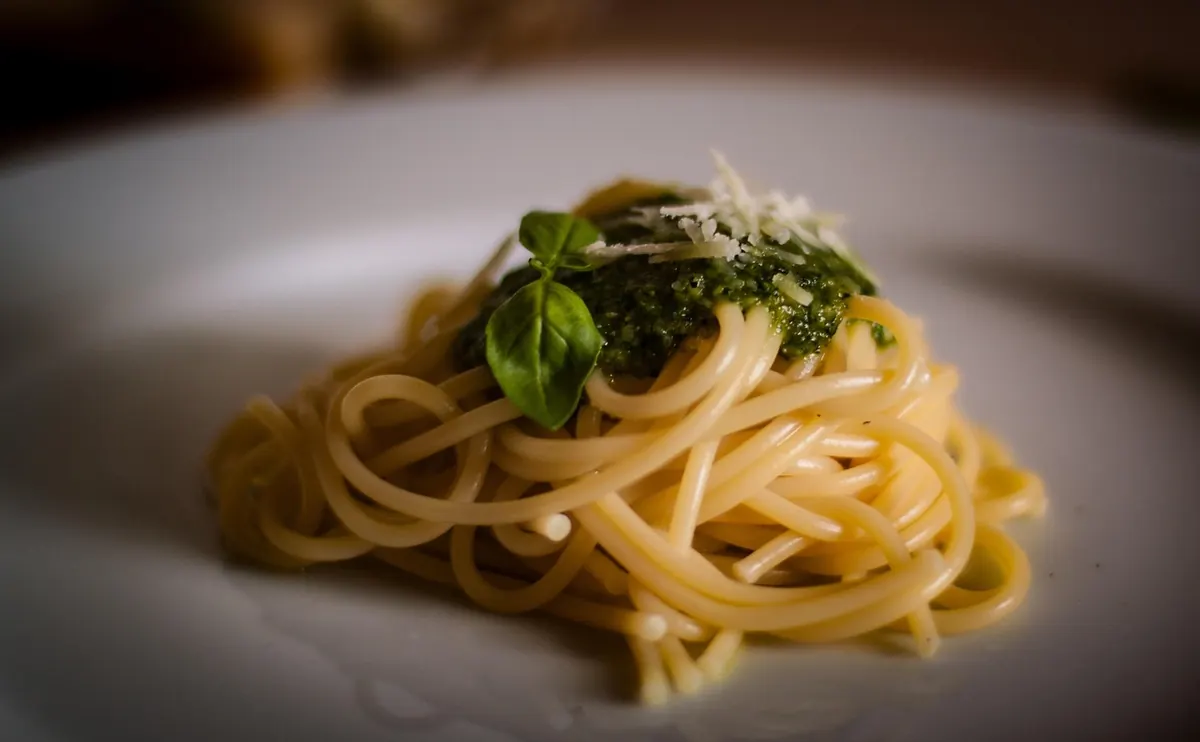
It doesn't poison them, but it does change them. Once a basil plant commits to flowering, its energy goes into stem, flower and seed rather than leaf. New leaves come through smaller and slower, older leaves turn coarser and often more bitter, and the sweet, clean flavour you want for pesto fades. You can still eat them, and you can eat the flowers too — they taste faintly of basil and look good scattered over tomatoes or steeped in vinegar.
The plant isn't ruined, either. If you cut a flowering basil back hard, to roughly a third of its height, it will often push out fresh growth and give you another few weeks of decent leaves before it tries again. The flowers will also set seed if you leave them, though basil crosses readily with other varieties, so any seed you save may not come true to type next year.
How to Balance Flowers with a Leaf Harvest
The trick is to stop treating a basil plant as one plant. Grow more than you need and divide the roles: some for the kitchen, some for the bees.
- Pinch weekly. Take out the growing tip just above a pair of leaves, every week or two through summer. This makes a bushier plant and delays flowering by weeks.
- Nominate two or three plants as sacrificial. Never pinch these. Let them flower freely and put them where you can see the insects working — by a bench, a door, a path.
- Sow in succession. A small pinch of seed every three to four weeks from April to July means young leafy plants are ready just as the older ones start to bolt.
- Water and feed properly. Dry compost and hungry roots trigger early flowering. Keep pots consistently moist and give a liquid feed every fortnight through the growing season.
- Snip spent spikes on the plants you're cropping. You won't stop flowering altogether, but you'll slow it down and keep the leaves coming.
- Keep the flowering ones until the frost. Basil blackens at the first proper frost, usually in October, so the flowering run ends then. Leave the spikes standing until that point — they're still working.
One caution: never spray a basil plant that is in flower. Whatever you're treating, an open flower is a feeding station, and anything applied to it reaches the insects. A strong jet of water handles most aphid problems on basil without any risk.
A Simple Plan for This Season
Sow two small pots in spring rather than one big one. Keep one on the kitchen windowsill and pinch it hard all summer for leaves. Plant the other outdoors in the sunniest, most sheltered spot you have — against a south-facing wall, in a large pot on paving, anywhere the heat lingers. Leave it alone from July and watch what turns up.
Then plant a little marjoram and borage within a metre of it. Those three together will feed far more bees than basil alone, and you'll still have plenty of leaves for the table. The basil flowers are the late-summer bonus, not the main event — and a garden that gets both is a better garden for it.
Photo: akbarnemati / Pixabay