September 30, 2026
Walk into any garden centre in May and you will find two basils sitting side by side. One is tall and floppy with big, soft leaves. The other is a neat little bush with leaves the size of a fingernail. The first is sweet basil, usually a Genovese type. The second is Greek basil, sometimes sold as bush basil.
Both are Ocimum basilicum. Both smell unmistakably like basil, both love heat, and both turn up their toes at the first frost. Beyond that, they behave like two different plants — and the one that suits your growing space may not be the one that suits your cooking.
The short answer
If your space is a kitchen windowsill, a small balcony or a single pot, grow Greek basil. It stays compact, keeps its shape without much fuss and gives you more usable leaves per plant.
If you want the soft, sweet, faintly aniseedy leaves that make a tomato and mozzarella salad taste like a proper Italian summer, grow sweet basil. Give it a decent-sized pot, plenty of sun and room to spread.
Most UK growers end up with both, because they occupy slightly different slots — one is a workhorse, the other is a treat.
Size and shape: two very different habits
Greek basil
A dense, rounded bush, usually somewhere between 15cm and 25cm tall in a UK summer. The leaves are tiny — roughly a centimetre — and grow thickly on fine, slightly woody stems. It branches low down on its own, so you get a bushy plant without much pinching. Small white flowers appear in late summer if you let them. It holds itself upright and rarely flops, which is why it looks so good in a mixed herb trough.
Sweet basil
Left alone, it grows as a single upright stem, 40cm to 60cm in a good year, with soft leaves 5cm to 8cm long. Pinch the growing tip and it will branch, but you have to keep doing it. The leaves are tender, bruise easily and wilt fast in a hot car or a cold fridge. It needs more root space, more water and a bit more patience.
Taste and aroma
Sweet basil is the one most people mean when they say basil: sweet, perfumed, with notes of clove and aniseed and that heady, almost oily scent you get when you tear a leaf. Heat dulls it, so add it at the end of cooking rather than the beginning.
Greek basil is punchier. The leaves are firmer and the flavour is sharper — more pepper, less perfume, with a slightly resinous edge. It stands up better to dressings, marinades and anything with vinegar or lemon in it, and it keeps more of its character in a cooked sauce.
A quick test: put one leaf of each on a piece of buttered bread. The sweet basil is delicate and floral; the Greek basil grabs you by the collar. Neither is better. They simply do different jobs.
Containers, windowsills and UK weather
Neither basil enjoys British weather at its worst. They want warmth, sun and free-draining compost, and they sulk in cold, wet roots. A pot with drainage holes is essential; a saucer of standing water is a death sentence.
Greek basil copes better with the cramped end of the spectrum. A one-litre pot on a sunny sill is enough for a small plant, and a 30cm trough will take three. Being short and sturdy, it handles a bit of wind on a balcony far better than sweet basil, which snaps and leans in exposed spots.
Sweet basil needs a two to three litre pot at minimum — bigger is better — and at least six hours of direct sun. In a small pot it bolts to flower early, and the leaves you get afterwards are thinner and more bitter. It is also more prone to downy mildew when air sits still around it, so leave space between plants.
If your only option is a north-facing windowsill, be realistic: sweet basil will stretch, pale and disappoint. Greek basil will do slightly better, but still wants the brightest spot you can give it.
In the kitchen: which one, when
- Tomato and mozzarella salad: sweet basil, torn rather than chopped, added just before serving.
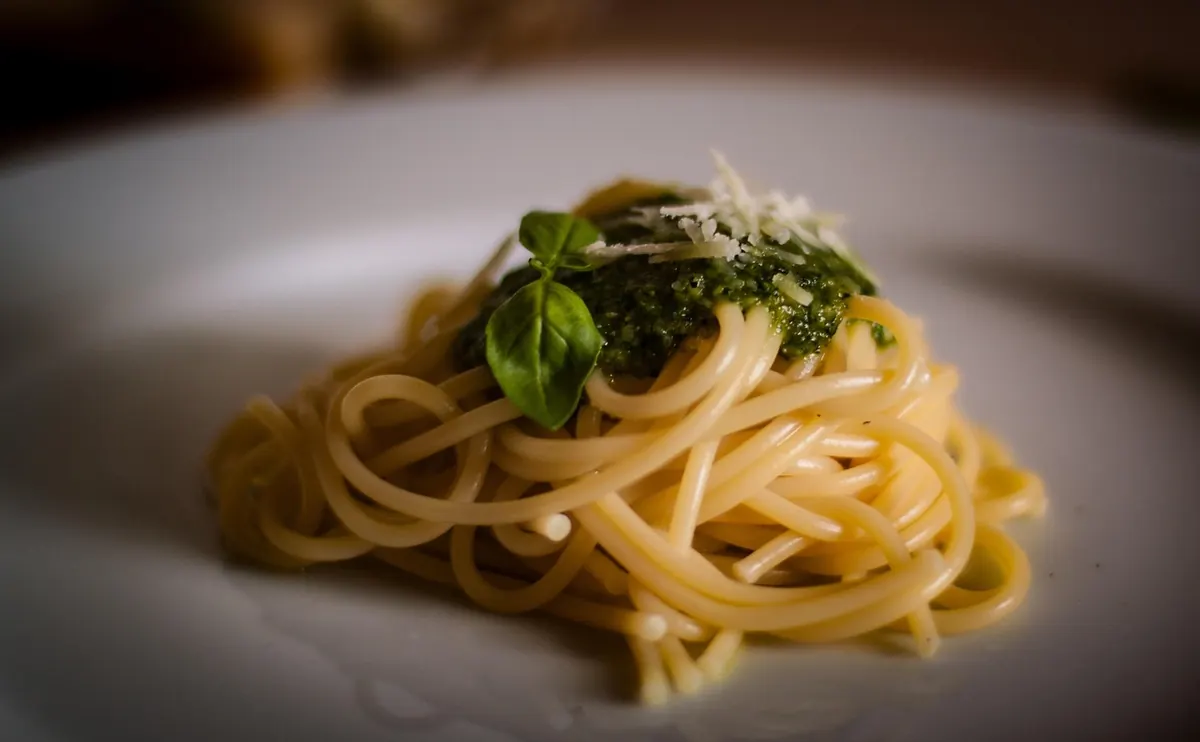
- Pesto: sweet basil, traditionally. Greek basil makes a sharper, more peppery version that works well with almonds instead of pine nuts.
- Pizza and pasta sauce: sweet basil stirred in at the end; Greek basil dropped into a finished sauce off the heat.
- Salad dressings, oils and vinegars: Greek basil. The small leaves need less chopping and the flavour carries further.
- Sandwiches and lunches: Greek basil, simply because one small plant yields more leaves you can actually use.
- Southeast Asian cooking: neither is a true substitute for Thai or holy basil. If you cannot find those, Greek basil is the closer stand-in.
One storage note that saves a lot of wasted leaves: do not keep basil in the fridge. The cold blackens the leaves within a day. Stand the stems in a glass of water on the counter, or wrap them in a barely damp cloth.
Growing both without much fuss
- Sow indoors in late spring into moist seed compost, barely covering the seed, somewhere warm and bright.
- Pinch out the growing tip once plants reach about 15cm. This is what turns a single stem into a productive bush.
- Move pots outside only when the nights are reliably in double figures, and harden them off over a week first.
- Water at the base in the morning, and feed fortnightly with a diluted tomato feed once the plants are established.
- Pinch off flower buds as they appear. Once basil flowers, leaf production drops and the taste turns harsher.
- Harvest from the top down, always taking a pair of leaves with a length of stem. Bring pots indoors in September to stretch the season.
Start with sweet basil, add Greek
If you can only grow one this year and you cook Italian food, choose a sweet basil and give it the biggest pot you can spare. If you are short on space, forgetful with watering, or you want leaves on hand for dressings and sandwiches, Greek basil will reward you with far less drama.
They cost about the same, take up little room and look good together — a big leafy plant for the salad bowl, a neat little bush for everything else. Sow both, keep them warm, and you will have more basil than you know what to do with by August.
Photo: KIMDAEJEUNG / Pixabay