September 26, 2026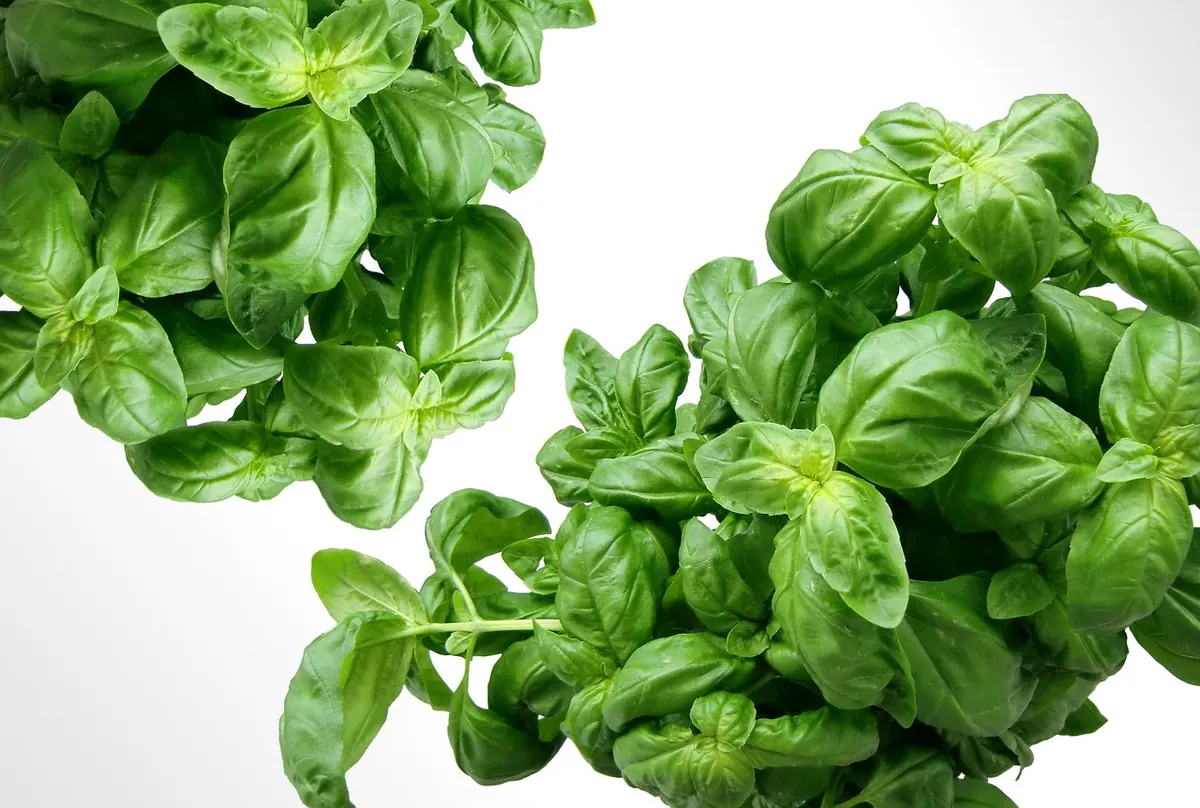
A packet of seed labelled simply “basil” tells you almost nothing about what you will end up with. The plant in your pot could be a broad-leaved Genovese that makes superb pesto, a narrow-leafed Thai type that stands up to coconut milk, or a neat little Greek bush that fits on a kitchen windowsill. Flavour, growth habit and hardiness all vary between them — and in Britain, where basil grows at the edge of its comfort zone, choosing the right one makes the difference between a lush bush and a woody stick.
Sweet basil: the reliable all-rounder
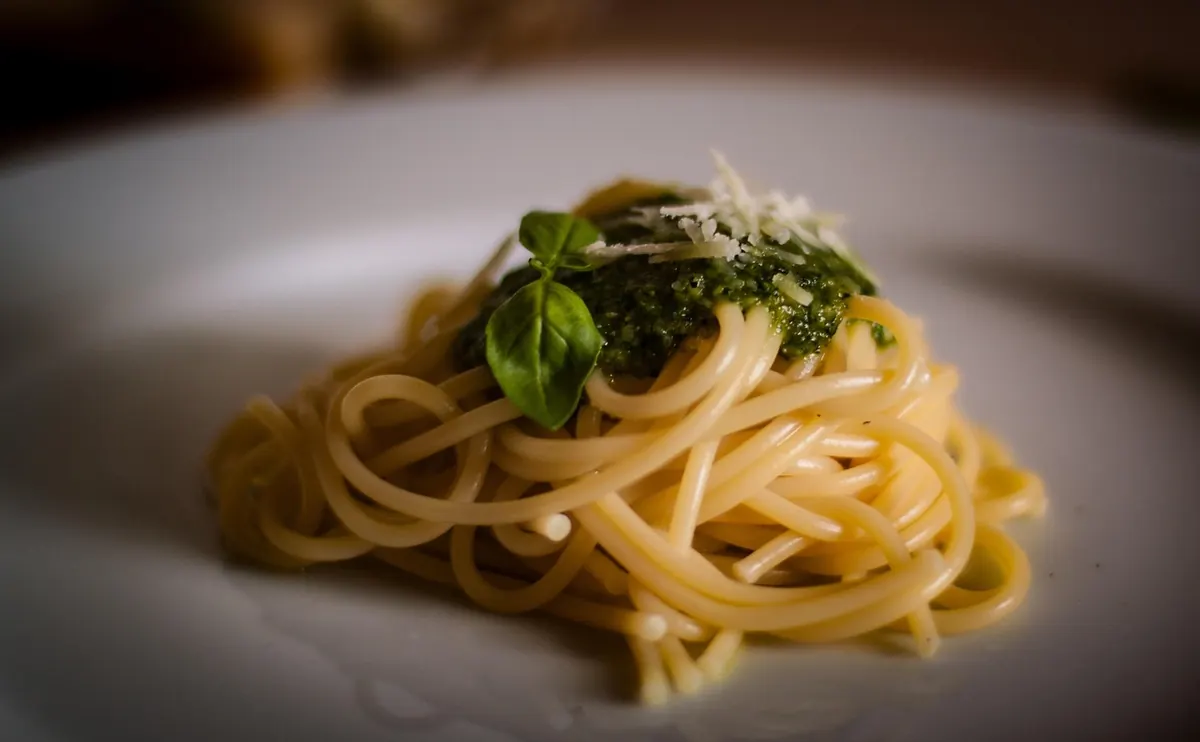
When gardeners here say basil, they usually mean sweet basil — the large, soft-leaved plants sold as ‘Sweet Genovese’, ‘Genovese’ or similar. The flavour is the familiar one: sweet, faintly peppery, with a clove-like edge. The leaves are big enough to tear over tomatoes by hand and generous enough to fill a food processor with pine nuts and parmesan.
The catch: growth habit
Sweet basil grows upright and fast, reaching 40–60cm in a good season, but it has no tolerance for cold. Anything below about 10°C checks its growth, and a touch of frost kills it outright. In a cold, wet summer, outdoor plants sulk, yellow and run to flower early. Give this one a greenhouse, a south-facing windowsill or a large pot on a sheltered patio and it will reward you.
Pinch out the growing tips regularly and remove flower buds as soon as you see them. Once a plant flowers, leaf production slows and the flavour sharpens into something harsher. Regular picking is the trick — every harvest doubles as a prune.
Best uses
Pesto, tomato salads, torn over mozzarella and peaches. Add it at the end of cooking rather than at the start, so the aromatic oils survive.
Thai basil: built for heat
Thai basil, most often sold as ‘Siam Queen’, looks different from the start: narrow leaves, purple stems and distinctive purple flower spikes. The flavour is aniseed and liquorice rather than sweet, and it holds up far better in a hot pan than Genovese — which is exactly why it belongs in curries and stir-fries rather than on a Caprese salad.
It is also a sturdier plant, with woodier stems and a little more tolerance of a hot, dry spell. Not much more, mind. It is still tender and still resents cold, wet roots. Keep it in a pot you can move, water it consistently, and give it your warmest spot.
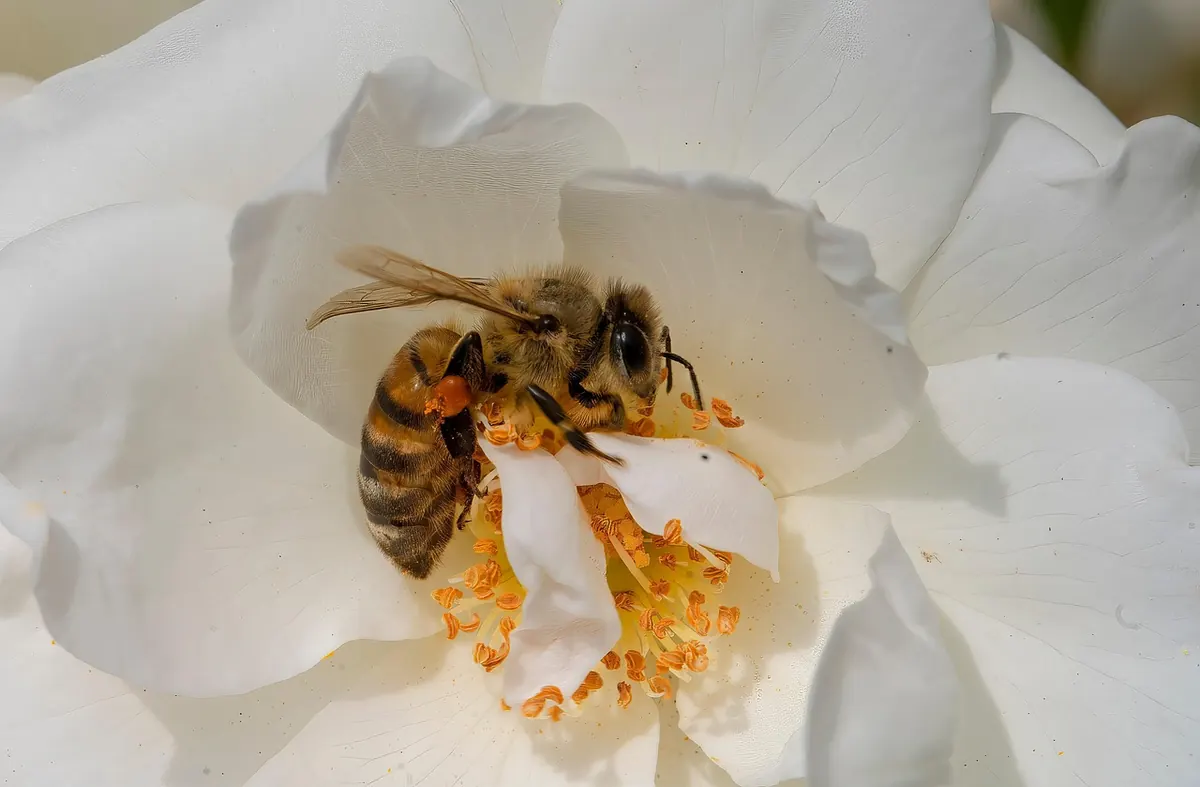
The flowers are edible, and if you let a few open, bees will find them within minutes. Use the leaves in Thai and Vietnamese cooking — curries, noodle soups, stir-fries — added late so the aroma survives the heat.
Purple basil: colour with a caveat
Purple basil is grown as much for looks as for flavour. ‘Dark Opal’, ‘Red Rubin’ and ‘Purple Ruffles’ are the ones you will see most often, with leaves ranging from deep burgundy to near-black with a metallic sheen.
Flavour-wise they are more assertive than sweet basil — spicier, clove-heavy and less sweet, sometimes faintly bitter in older leaves. That makes them good raw: in salads, scattered over hummus, or layered into a sandwich where the colour does real work.
Two things worth knowing. The pigments that make the leaves purple fade in cooking, so they turn a dull olive-green in a hot pan — add them off the heat or use them raw. And purple varieties are often slightly slower and less vigorous than green ones, so expect smaller plants that take longer to fill a pot.
They do make a beautiful herb vinegar: pack clean leaves into a jar, cover with white wine or cider vinegar, leave for a fortnight in a cool dark place, then strain. Use it within a few months. If you infuse oil instead, keep it in the fridge and use it within a few days.
Greek basil: small leaves, big character
Greek basil — sometimes sold as bush basil — is the compact one. Plants form dense, rounded mounds about 20–25cm tall, covered in tiny leaves no bigger than a fingernail. The flavour is concentrated and slightly sharper than sweet basil: peppery, sweet and clean.
Its size is the selling point. Greek basil works in a 15cm pot on a kitchen windowsill, along the edge of a raised bed, or in a mixed container where taller plants would flop over everything else. It handles wind and drier conditions better than the big-leaved types, and its dense habit sheds rain well — a small advantage in a British summer.
Harvest it by snipping whole sprigs rather than picking leaf by leaf; the stems are tender enough to use. Basil is technically a tender perennial, so a Greek basil on a bright, warm windowsill can survive the winter indoors, though most of us treat it as an annual.
Four more worth a pot
- Lettuce leaf basil — huge, crinkled, mild leaves. Use them whole as wraps or as a bed for sliced tomatoes.
- Lemon basil — a clean citrus note that suits fish, chicken and cold drinks.
- Cinnamon basil — sweet and spicy, surprisingly good with fruit and in iced tea.
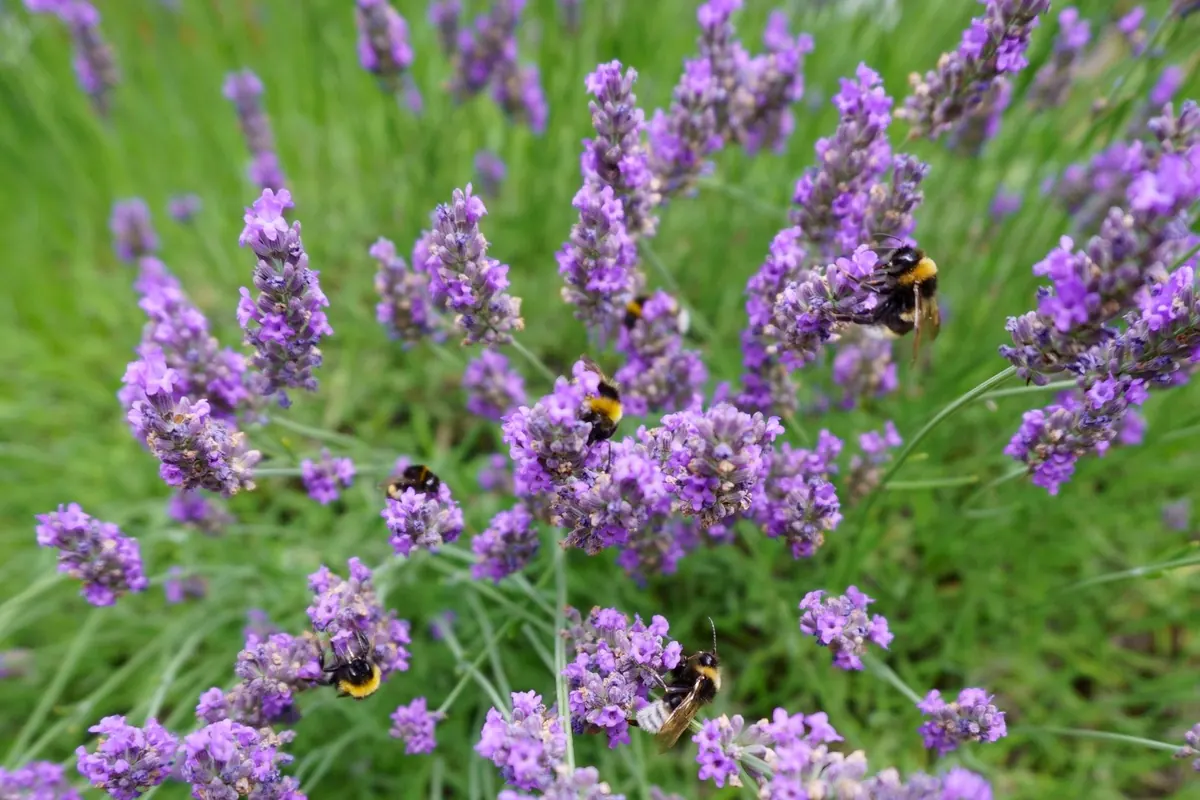
- African blue basil — ornamental rather than culinary. It is a sterile hybrid, so it keeps flowering for months and pollinators love it. Grow it near the veg patch.
Which basil should you grow?
- For pesto: Sweet Genovese. Nothing else comes close.
- For curries and stir-fries: Thai basil.
- For colour on the plate: a purple variety.
- For small pots and windowsills: Greek basil.
- For wrapping and layering: lettuce leaf.
If you have room for two pots, grow one Genovese for the kitchen and one Thai for anything with coconut milk in it.
Growing notes that apply to all of them
- Sow under cover from late March in trays or modules, at around 18–21°C. Seedlings appear within a week or so.
- Wait until nights are reliably above 10°C — usually late May or June across most of Britain — before planting out.
- Choose the warmest, sunniest spot you have: a south-facing wall, a patio pot, a greenhouse, a bright windowsill.
- Water in the morning at the base of the plant, not over the leaves. Damp foliage encourages downy mildew and botrytis.
- Pinch out the growing tips once plants have four to six pairs of leaves. This makes them bushier and delays flowering.
- Feed lightly every two to three weeks with diluted tomato feed once plants are established.
- Watch for slugs and snails on young plants, then aphids and whitefly later in the season.
- Sow a small batch every three to four weeks until July for a continuous supply.
Start with two, sow in April, keep them warm
Basil is not difficult in Britain; it is just often grown in the wrong place. Treat it as the tender, warmth-loving plant it is, keep it in a pot you can move out of the wind, and pick it often. A supermarket pot will give you a few meals if you split the clump into three or four smaller pots and repot it; a packet of seed, a sunny sill and a little patience will give you leaves all summer, in exactly the flavours you want.
Photo: Security / Pixabay