September 26, 2026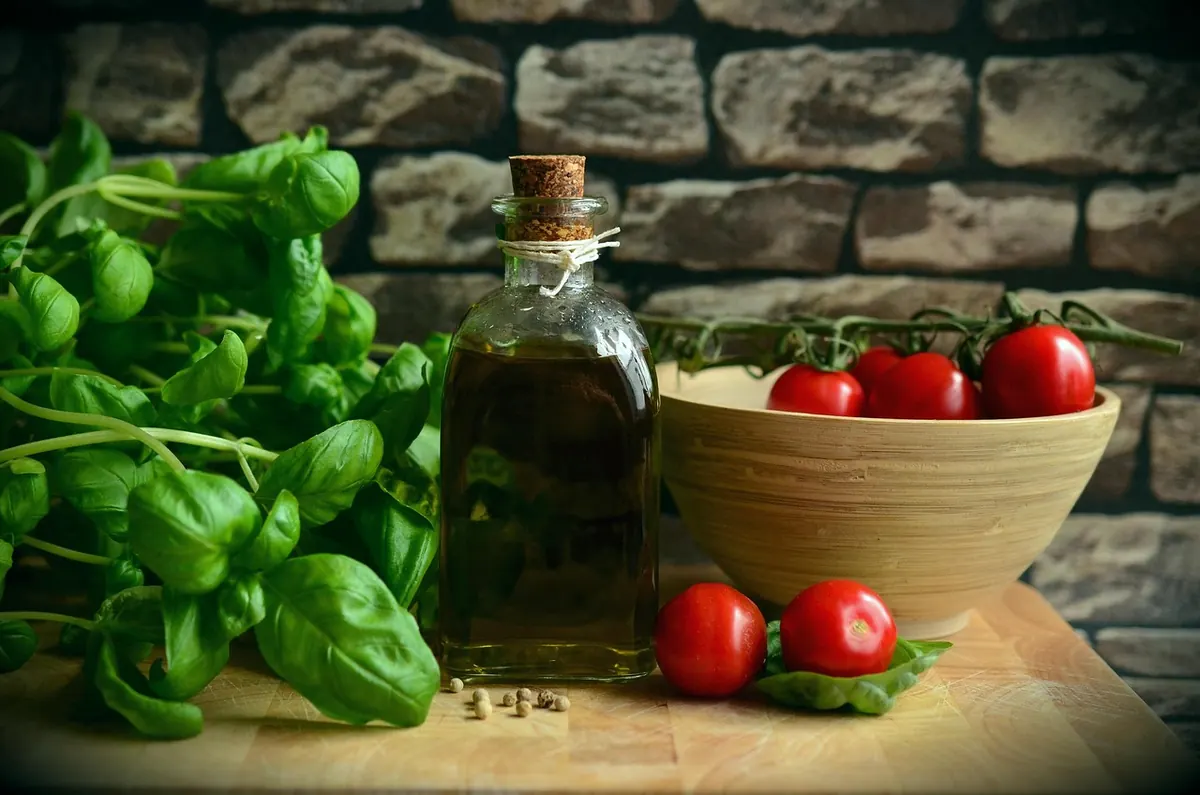
A north-facing windowsill is often seen as the poor relation of the windowsill world. It lacks the blazing sun of a south-facing spot, and in a British winter it can feel distinctly gloomy. Yet basil is more adaptable than its Mediterranean reputation suggests. With a few adjustments to variety, light and watering, you can grow a productive pot of basil on a north-facing sill—even in the UK. The trick is to work with the light you have, not against it.
Why north-facing light is tricky (but not hopeless)
Basil is a sun-lover. In its native habitats it gets long, bright days and warm nights. A UK north-facing windowsill offers neither. Direct sun is rare, and the light that does arrive is weak and diffuse, especially from October to March. That doesn't mean basil will fail, but it will grow more slowly and may become leggy if you don't intervene.
The biggest mistake is treating a north-facing plant like a south-facing one. If you water and feed on the same schedule, you'll drown or burn it. Instead, match care to growth rate. Slower growth means less water, less food and more patience.
What basil actually needs
For healthy growth, basil wants at least six hours of bright, indirect light a day. A north-facing window in summer might give you four to five hours of weak light, plus some early morning or late evening sun. In winter, it's closer to two or three. That's enough to keep a plant alive, but not enough for lush, fast growth. Supplementing with a small LED grow light can bridge the gap.
Choose compact, small-leaved varieties
Variety choice matters more on a north-facing sill than anywhere else. Large-leaved basils like 'Lettuce Leaf' or 'Sweet Genovese' need lots of energy to produce their big, tender leaves. In low light they stretch, pale and sulk. Instead, look for compact, small-leaved types. They have less leaf area to support, so they cope better with weaker light.
- 'Greek' basil (Ocimum minimum): tiny leaves, naturally bushy, perfect for a small pot.
- 'Spicy Globe': a compact bush with small, aromatic leaves.
- 'Minette': fine leaves, good for pots, stays neat.
- 'Dwarf Bush': bred for containers, stays short and productive.
- 'Thai' basil: slightly more tolerant of lower light than sweet basil, with a spicy aniseed flavour.
You can still try 'Sweet Genovese' if you love it, but expect smaller leaves and a needier plant. Pinch it often and consider a grow light.
Make the most of the light you have
Light is the limiting factor, so squeeze every photon from your windowsill. Start with the glass: clean it inside and out. A film of grime can cut light by a surprising amount. Move anything that blocks the window—curtains, blinds, clutter.
Reflection is your friend. Place a sheet of white card or a mirror behind the pots to bounce light back onto the leaves. Aluminium foil wrapped around a piece of cardboard works well too. Rotate your pots every few days so all sides get a turn. If you have a sunnier windowsill elsewhere, move plants there for a few hours during the day and bring them back at night. It sounds fussy, but basil responds quickly.
For winter or a particularly gloomy spot, a small LED grow light makes a real difference. Place it 15–30 cm above the plants and run it for 12–16 hours a day. You don't need an expensive setup; a single bulb or strip is enough for a few pots.
Water and feed for slower growth
On a north-facing sill, basil grows more slowly. That means it uses less water. The classic mistake is to water on a fixed schedule. Instead, check the compost. Push your finger into the top 2–3 cm. If it's dry, water. If it's damp, wait. Overwatering is the quickest way to kill basil in low light—roots sit in cold, wet compost and rot.
Water from below if you can, or gently at the soil surface, avoiding the leaves. Use tepid water, not cold. Empty any saucer after 30 minutes. Feed sparingly: a diluted liquid feed every four to six weeks is plenty. In winter, stop feeding altogether.
Keep it warm and draughty-free
North-facing windows are often colder than the rest of the room, especially at night. Basil hates cold. Temperatures below 10°C will check its growth, and a cold draught from a poorly fitting window can cause leaves to drop. Move pots a few centimetres away from the glass at night, or place them on a wooden mat. If your windowsill is particularly cold, bring plants into the room overnight and return them in the morning.
Pinch, prune and harvest
Pinching is essential. When a plant has three or four pairs of leaves, pinch out the growing tip above a leaf pair. This encourages side shoots and a bushier shape. Repeat every few weeks. Remove flower buds as soon as you see them—flowering signals the plant to stop producing leaves, and the flavour changes.
Harvest regularly, but never strip more than a third of the plant at once. Use the tips first, and always pinch just above a leaf node. On a north-facing sill, your basil may never become a huge bush, but a steady supply of small leaves is still a win.
A simple routine for a north-facing windowsill
If you want a no-fuss approach, follow this weekly routine:
- Check the light. Clean the glass if needed, and move reflectors into place.
- Rotate the pots. Give each side a turn towards the window.
- Test the compost. Water only if the top 2–3 cm is dry.
- Pinch the tips. Remove any flower buds and shape the plant.
- Inspect for pests. Look under leaves for aphids or whitefly, and deal with them early.
- Consider a grow light. From October to March, a few hours under an LED will keep growth ticking over.
Basil on a north-facing windowsill won't grow as fast as it would in a sunny greenhouse, but it can still be productive. Choose the right varieties, make the most of reflected light, and water with restraint. You'll be rewarded with fresh leaves for salads, pasta and pesto—even on the shady side of the house.
Photo: congerdesign / Pixabay